Practical articles on Solana and EVM tokens, DEX trading, bulk wallet operations and the tools behind them — written and reviewed by the ChainTx.Tools team.
Solana has two token programs: the classic SPL Token and the extensible Token-2022. Using a real mainnet test, we compare their cost, metadata, extensions and DEX support — and explain which one to pick for a new token.
Within weeks of launch Robinhood Chain joined the top three chains by DEX volume and stayed there after the subsidies ended. We explain how Robinhood's Arbitrum-based L2 works, why it grew so fast, what the risks are and how to use it.
Hyperliquid and HyperEVM are not two different blockchains. Using the official docs, we explain what HyperCore and HyperEVM are, how they share one state, why wallets and aggregators label the network differently, and which name fits each context.
A 2026 ranking of EVM chains built on verifiable DefiLlama, L2BEAT and growthepie data: TVL, DEX volume, stablecoins and active addresses. Why Ethereum, BNB Chain, Base and Robinhood Chain are popular, which hyped launches lost 95–99% of TVL, and how to pick a chain.
Solana handled about $723 billion of DEX volume in January–September 2026 — a third of all on-chain spot trading and twice Ethereum. But its share is falling, the whole market shrank and Robinhood Chain briefly overtook it. The numbers, the drivers and the caveats.
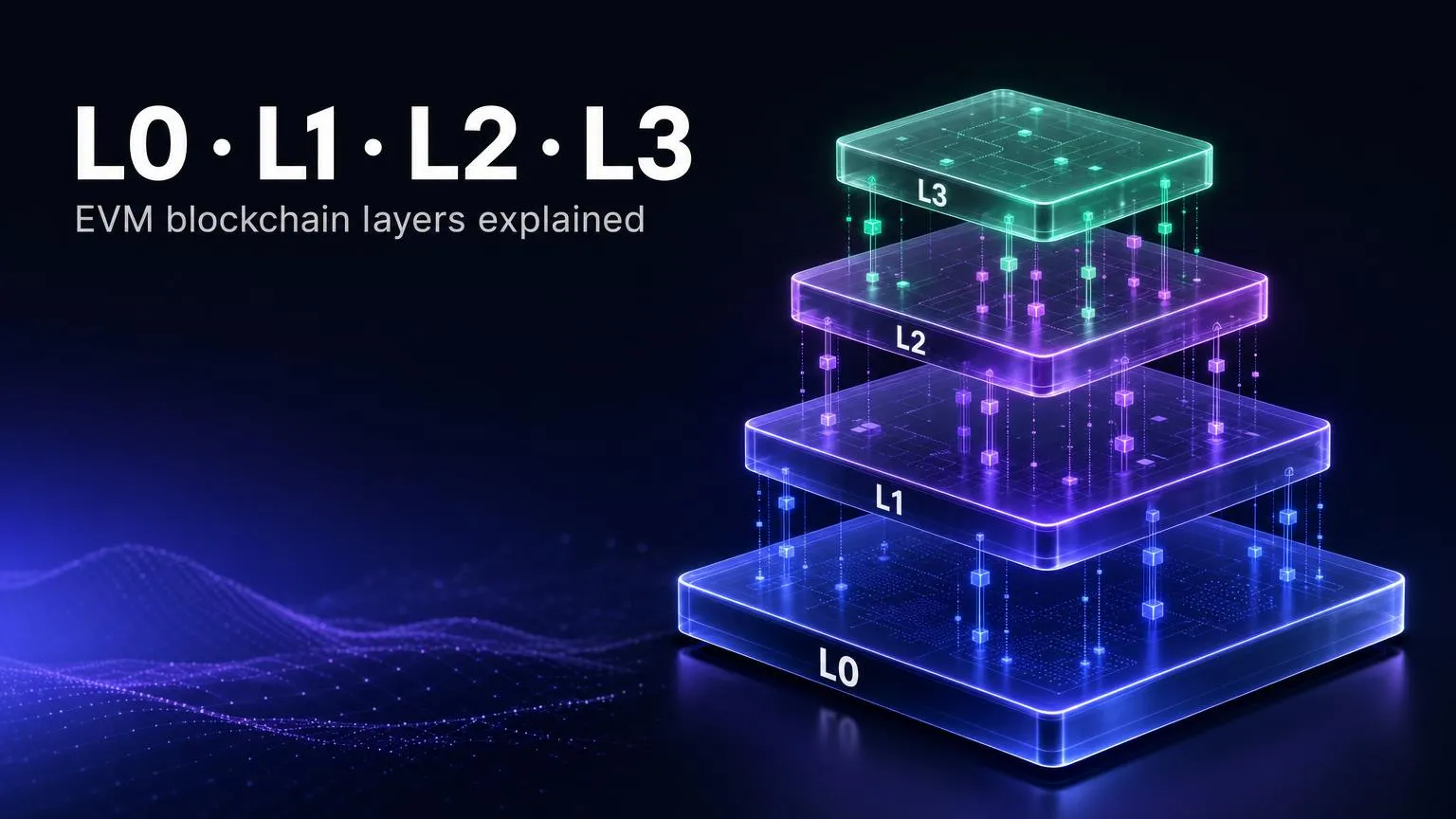
L0, L1, L2 and L3 explained in plain language: what each layer does, how rollups post data to Ethereum, why L2 fees are so low, which L3s survived — and where 29 EVM networks supported by ChainTx.Tools fit, with L2BEAT data for October 2026.
Active authorities, risky Token-2022 extensions, a pool with a few SOL in it, unlocked LP, bundled supply and promises of profit: the mistakes that sink most Solana token launches, what each one leads to, and how to avoid it, with numbers from Raydium, Pump.fun and on-chain analysts.
Mint authority decides whether a Solana token's supply can grow; freeze authority decides whether anyone can lock holders' balances. What both do, which metadata and Token-2022 authorities exist, when keeping them is legitimate, and how to check and revoke them.
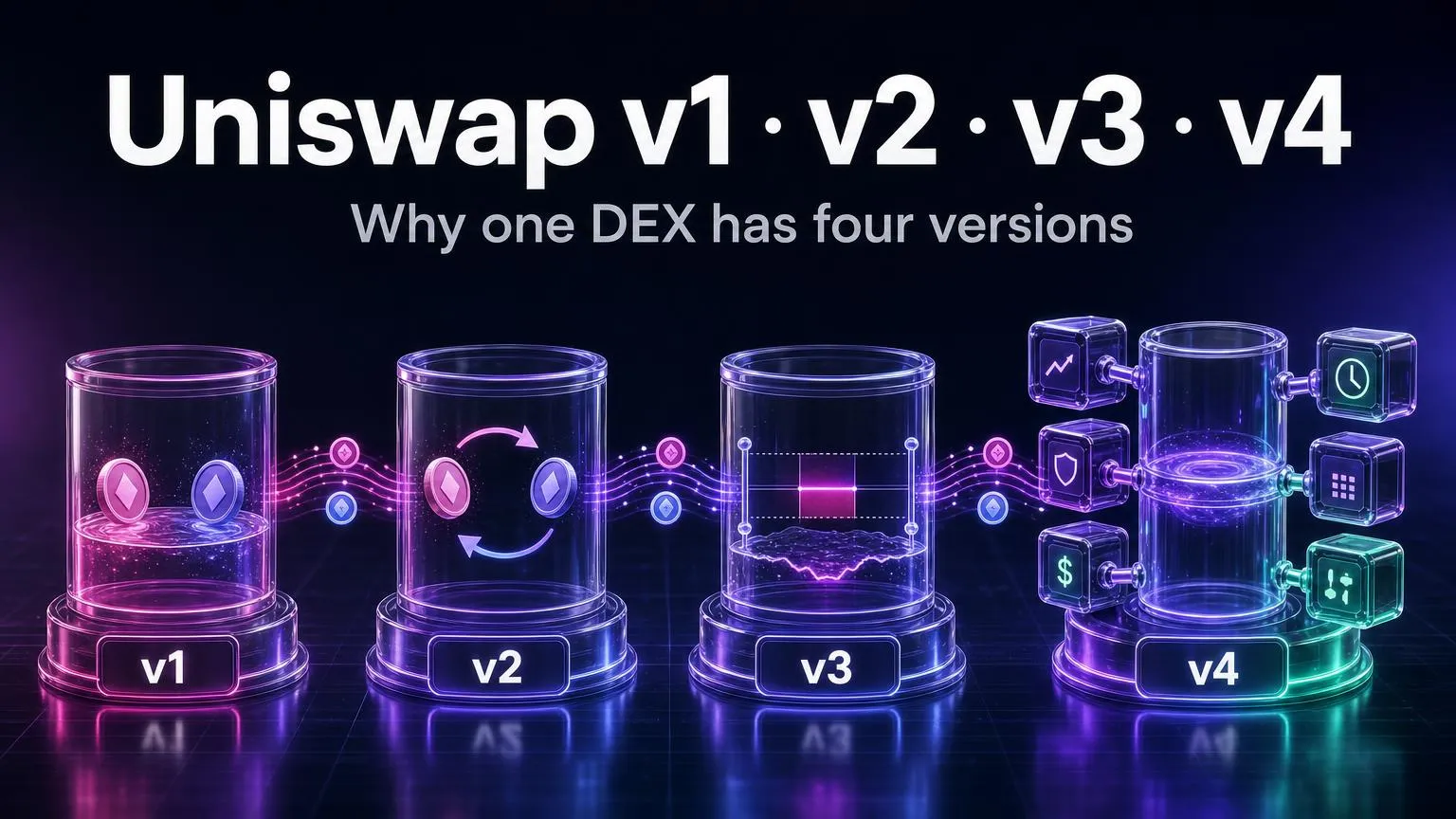
Uniswap v1, v2, v3 and v4 are four separate protocols that all still run. What each version changed, why the old ones are never switched off, how liquidity and volume split between them in October 2026, and which versions the ChainTx.Tools trading tools use.
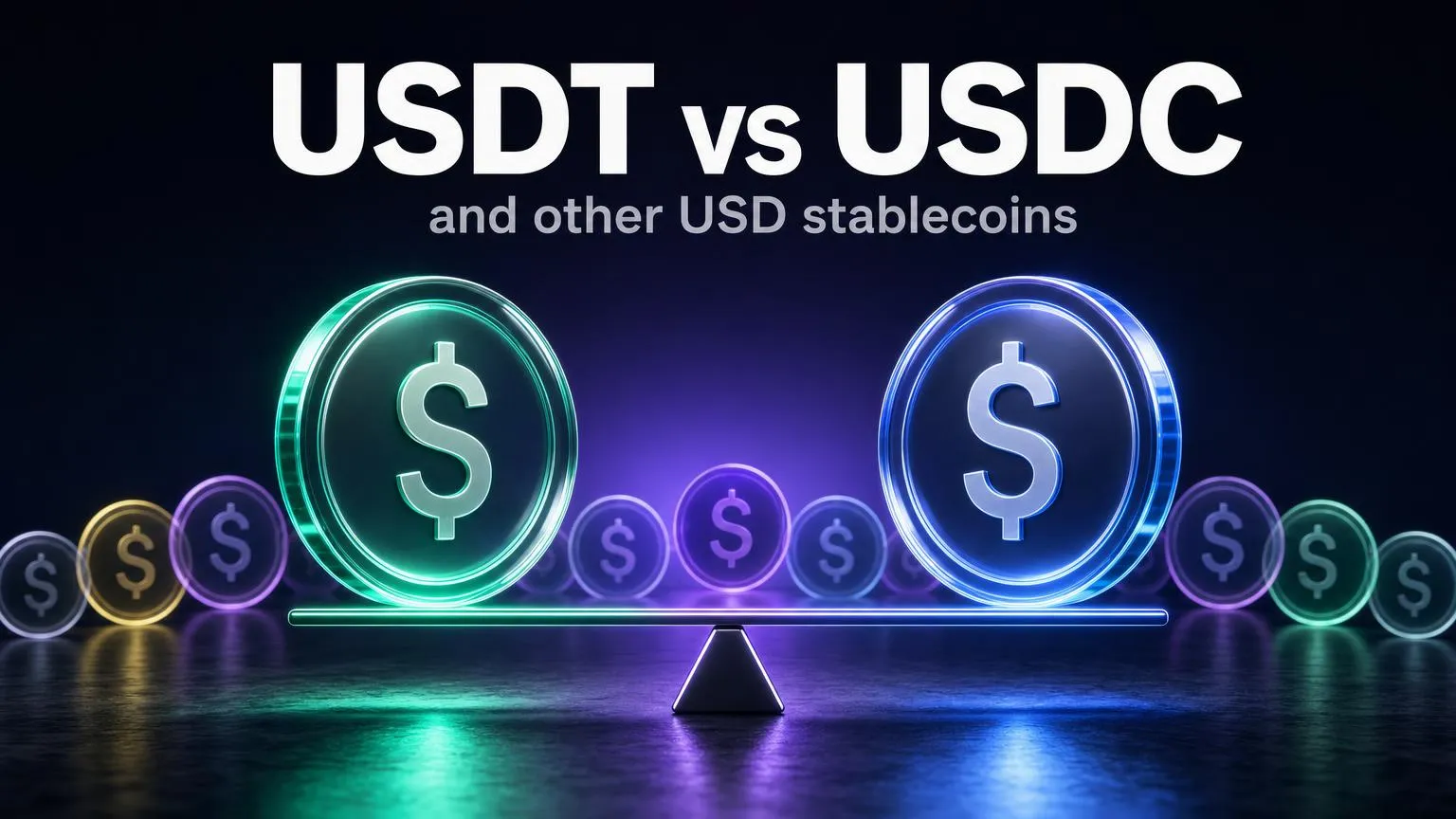
USDT and USDC both promise $1, but issuers, reserves, audits, freezes and regulation differ. We compare them with October 2026 data, explain GENIUS and MiCA, list other USD stablecoins by model and show transfer costs on Tron, Ethereum, Solana and BNB Chain.
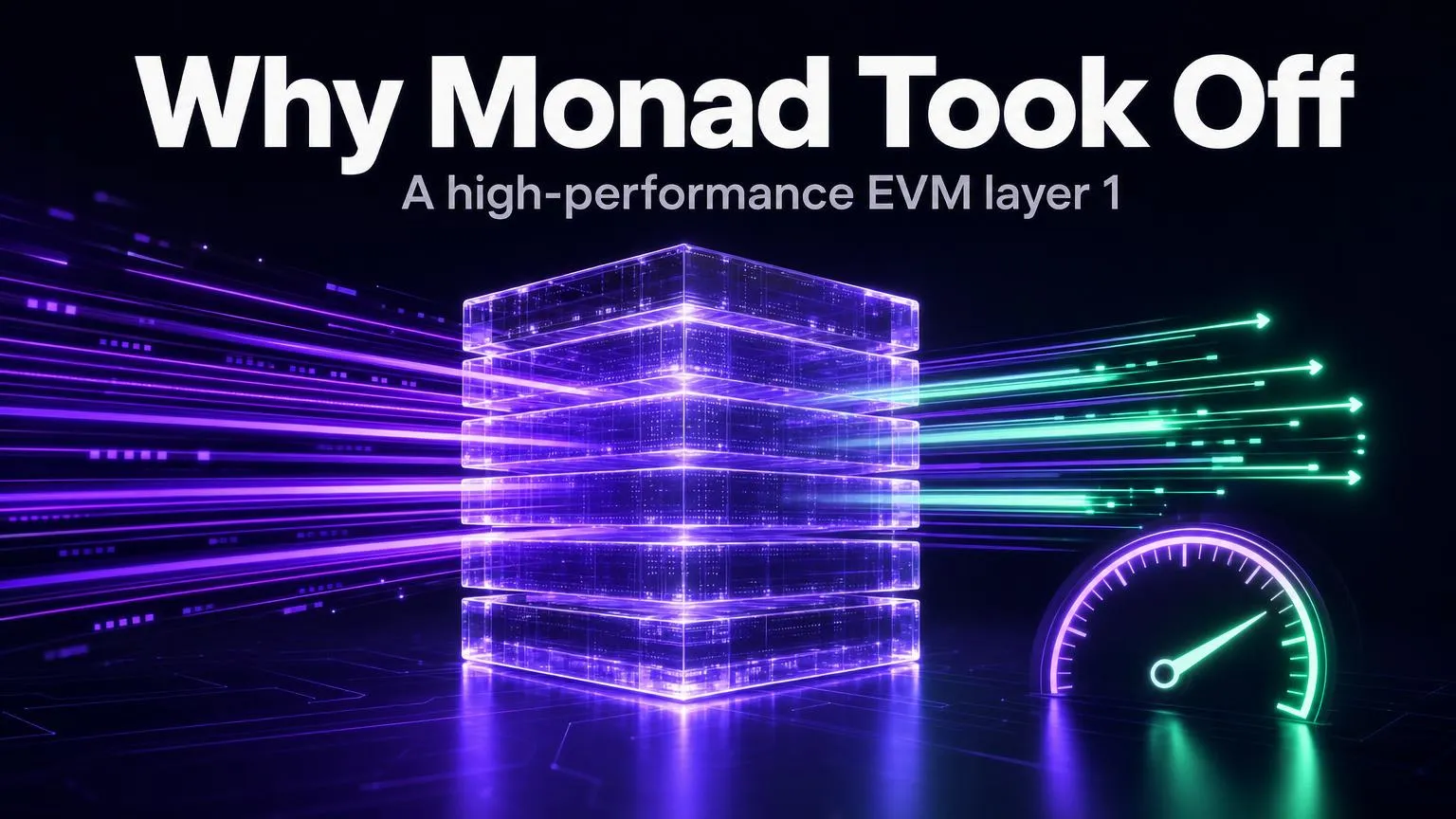
Monad launched on November 24, 2025 and reached the top 10 blockchains by TVL in under a year. We explain the technology in plain language, the team, the MON token, the ecosystem numbers as of early October 2026 and the project's weak spots — from token unlocks to volume concentration.
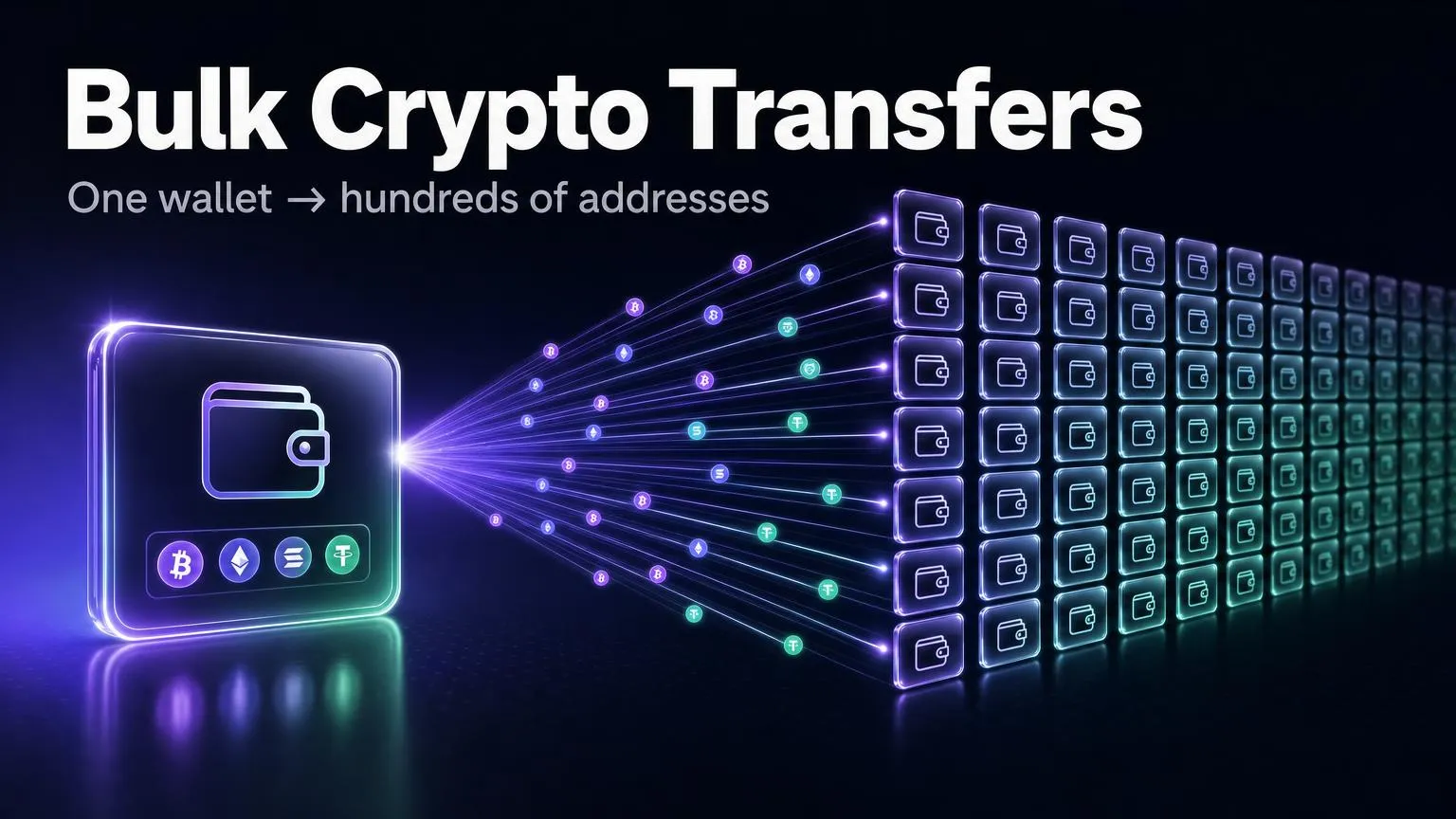
A practical guide to bulk crypto transfers on ChainTx.Tools: the four modes, supported networks, how to format the recipient list, what it really costs and how to avoid the mistakes that send money to the wrong place.
How trading bots shape memecoin charts on Solana: six ready-made Auto BUY / Auto SELL setups for the ChainTx.Tools Market Maker, what each one costs, and how traders can recognise the same patterns on the chart and on-chain.